 Mirox
Mirox
Holistic Guide to Natural Wellness: Lifestyle & Nutrition for Balanced Health and Vitality
An educational resource exploring the foundational principles of natural wellness, balanced nutrition, and lifestyle approaches for overall well-being. Educational content only. No promises of outcomes.
Understanding Balanced Nutrition
Balanced nutrition forms the foundation of natural wellness. A well-rounded diet includes macronutrients—proteins, carbohydrates, and fats—and micronutrients such as vitamins and minerals. These elements work together to support bodily functions, energy levels, and overall well-being.
Understanding how different food groups contribute to nutritional balance helps individuals make informed choices about their daily diet. Whole grains provide sustained energy, vegetables and fruits offer essential vitamins and minerals, legumes deliver plant-based protein, and healthy fats support cellular health.
- Macronutrients: proteins, carbohydrates, fats
- Micronutrients: vitamins and minerals
- Whole foods vs. processed options
- Individual dietary diversity
Balanced nutrition concept
The Role of Physical Activity in Daily Life
Regular physical activity contributes to overall wellness by supporting cardiovascular health, maintaining muscle tone, and promoting mental well-being. Different forms of gentle activity can be integrated into daily routines.

Walking
Gentle walking in natural environments provides low-impact cardiovascular benefits while allowing time for reflection and stress reduction. Regular walks support overall fitness without excessive strain.

Yoga and Stretching
Yoga combines physical movement with breathing techniques and mindfulness. Regular practice improves flexibility, balance, and body awareness while supporting mental clarity and relaxation.

Movement and Mindfulness
Combining mindful movement with intentional breathing creates a holistic approach to physical activity. This integration supports both physical and mental wellness in daily practice.

Mind-Body Connection: Stress Management Techniques
The mind-body connection plays a crucial role in overall wellness. Various approaches to managing daily stress have been traditionally used and continue to support mental and emotional balance.
- Mindfulness and meditation practices
- Deep breathing techniques
- Progressive muscle relaxation
- Time in nature and outdoor activity
- Creative expression and hobbies
- Social connection and community
The Importance of Restful Sleep
Quality sleep is fundamental to natural wellness. During sleep, the body undergoes essential repair and restoration processes. Establishing healthy sleep patterns supports cognitive function, emotional regulation, and physical recovery.
Sleep Quality Factors
| Sleep Factor | Description | Benefits |
|---|---|---|
| Sleep Duration | Consistent 7-9 hours nightly | Supports immune function, mental clarity |
| Sleep Environment | Dark, cool, quiet space | Improves sleep quality and depth |
| Sleep Routine | Consistent bedtime schedule | Regulates natural sleep cycles |
| Pre-Sleep Habits | Reduced screen time, relaxation | Easier transition to sleep |
Natural Ingredients: Traditional Uses
Throughout history, various natural ingredients have been used in traditional practices to support general well-being and vitality. Understanding their traditional applications provides educational context for wellness approaches.
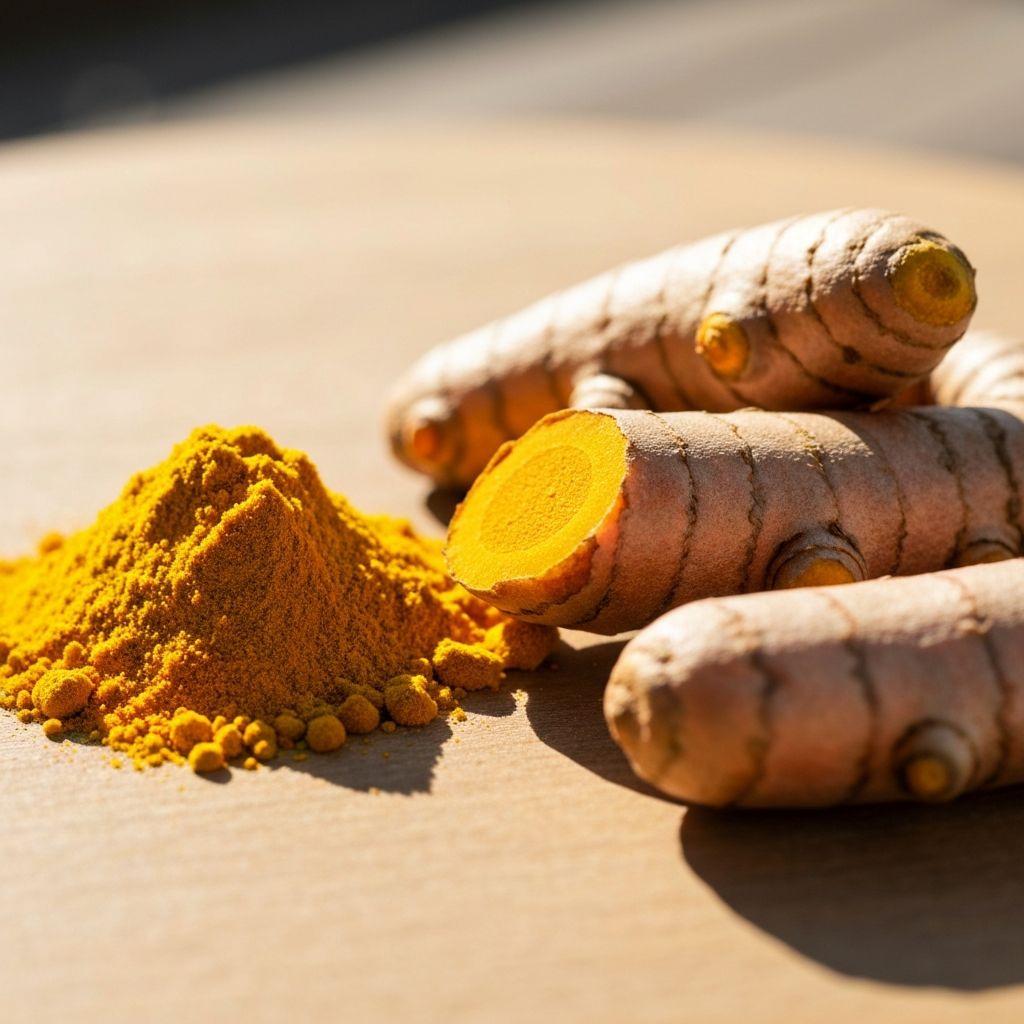
Turmeric
Traditionally used in various wellness practices, turmeric contains compounds that have been studied for their potential to support general wellness and maintain healthy inflammatory responses.
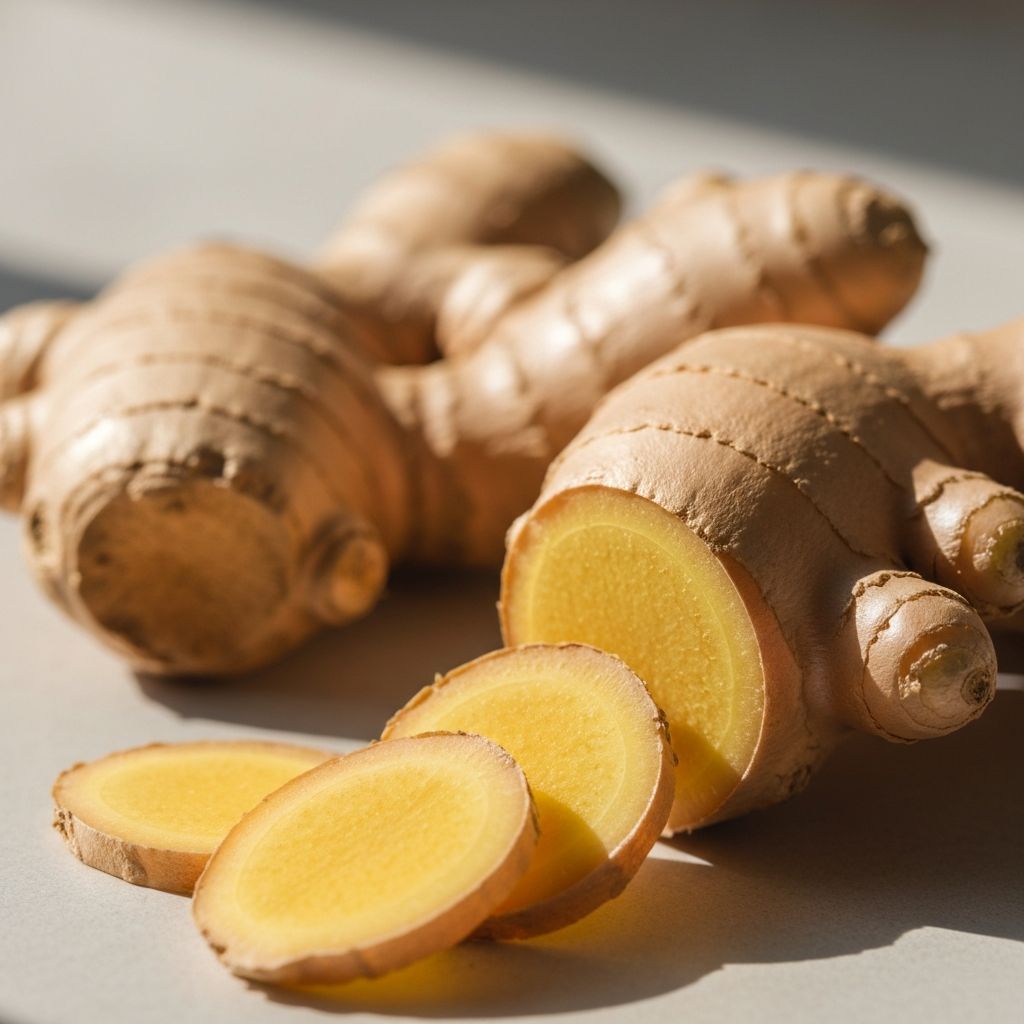
Ginger
Used in traditional medicine systems for centuries, ginger is recognized for supporting digestive comfort and general wellness. Its warming properties are valued in many wellness traditions.
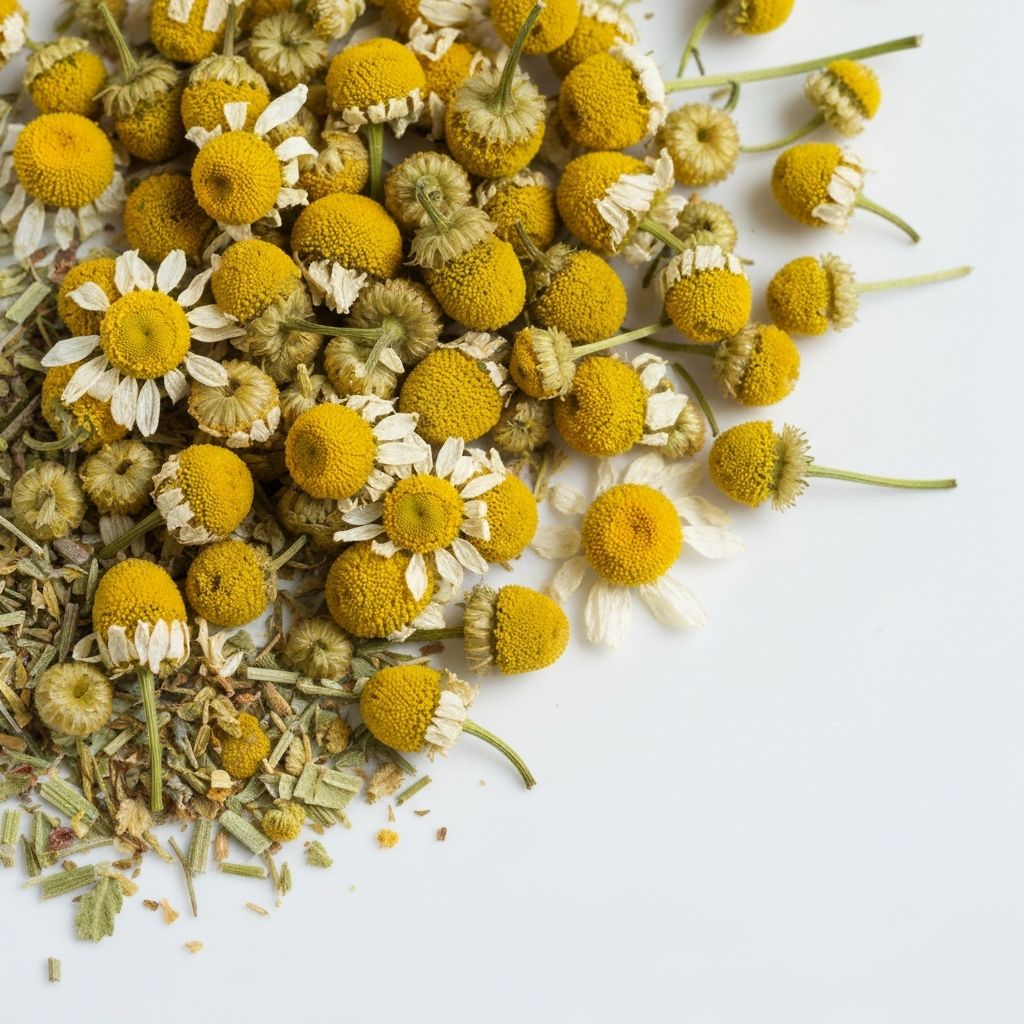
Chamomile
Traditionally consumed as a soothing tea, chamomile has been used to support relaxation and sleep quality. Its gentle nature makes it a common element in wellness routines.
Hydration for Vitality
Adequate hydration is a fundamental component of natural wellness. Water supports numerous bodily functions including temperature regulation, nutrient transport, and cellular health. Proper hydration contributes to energy levels, cognitive function, and overall physical performance.
Individual hydration needs vary based on activity level, climate, and personal factors. Most recommendations suggest consistent water intake throughout the day, with increased intake during physical activity or in warm environments.
- Consistent daily water intake
- Increased hydration during activity
- Hydration from water-rich foods
- Individual variation in needs

Digestive Health: Basic Principles
Supporting digestive health forms an important part of overall wellness. Various dietary and lifestyle factors contribute to healthy digestion and nutrient absorption.
| Digestive Principle | Description | Implementation |
|---|---|---|
| Fiber Intake | Supports healthy digestive function | Include whole grains, vegetables, fruits |
| Mindful Eating | Improves digestion and satisfaction | Slow eating, proper chewing, attention to food |
| Probiotic Foods | Support beneficial gut bacteria | Fermented foods, traditional preparations |
| Regular Movement | Promotes healthy digestion | Daily physical activity and walking |
| Hydration | Essential for digestive processes | Consistent water intake throughout day |
Harmonious Living: Building Healthy Habits
Natural wellness develops through consistent, sustainable habits integrated into daily life. Rather than extreme changes, gradual incorporation of wellness practices creates lasting positive effects.
Start Small
Begin with one or two new wellness practices. Small, consistent changes build lasting habits more effectively than dramatic overhauls.
Be Consistent
Regular practice, even in small amounts, creates significant long-term benefits. Consistency matters more than intensity.
Listen to Your Body
Individual responses vary. Pay attention to how different practices affect your well-being and adjust accordingly.
Seek Support
Community, friends, or professionals can provide encouragement and guidance on your wellness journey.
Make It Enjoyable
Choose wellness activities you genuinely enjoy. Pleasure and satisfaction increase long-term adherence.
Adapt and Evolve
Wellness is a journey. Your approach may change as circumstances and needs evolve.
The Power of Plant-Based Foods
Plant-based foods offer abundant nutrients, fiber, and beneficial compounds that support natural wellness. Whether consuming plant-based exclusively or incorporating more plant foods into a varied diet, the nutritional benefits are well-documented.
Colorful vegetables and fruits provide diverse micronutrients. Legumes and whole grains deliver sustained energy and protein. Nuts and seeds offer healthy fats and minerals. A diet rich in plant foods supports digestive health, cardiovascular function, and overall vitality.
- Abundant vitamins and minerals
- High fiber content
- Phytonutrients and antioxidants
- Sustainable and environmentally conscious

Cultivating Positive Well-being
Natural wellness encompasses more than physical health—it includes emotional, mental, and spiritual dimensions. Cultivating positive well-being involves practices that support holistic balance.
Well-being develops through connection—to ourselves, others, nature, and meaningful pursuits. Practices such as gratitude, creative expression, time in nature, and service to community all contribute to overall wellness. The holistic approach recognizes that physical, emotional, mental, and spiritual dimensions are interconnected.
Sustainable wellness comes from balance, not perfection. It emerges through consistent small practices, self-compassion, and an understanding that each individual's wellness journey is unique.
Limitations and Context
Educational Content Only: All information on this site is educational and informational in nature. It does not constitute medical advice, diagnosis, treatment, or professional health guidance.
No Individual Recommendations: The content does not provide personalized medical advice. Different approaches work for different individuals, and what is appropriate for one person may not be for another.
Not a Substitute for Professional Care: For any health concerns, medical conditions, or before making significant dietary or lifestyle changes, consult with qualified healthcare professionals.
Diversity of Approaches: The wellness field encompasses many traditions and approaches. This site presents general, well-established principles, not a singular path.